
Why Is My Blood Sugar High In The Morning? Understanding Hormones, Sleep, and Metabolism
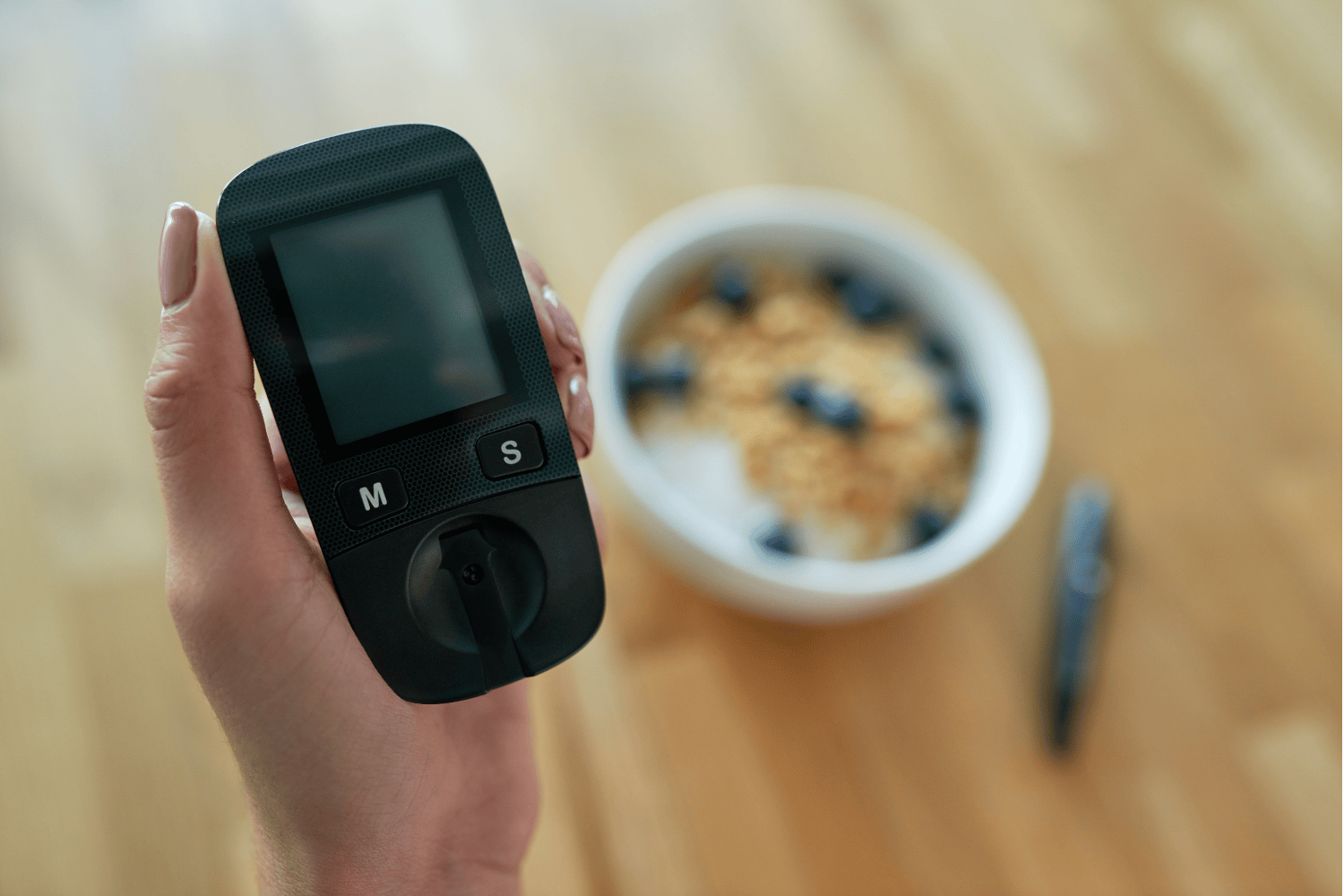
Identifying differences for tailored treatment approaches
Consequat a eleifend facilisis nulla vitaev iaculis enim pellentesque potenti arcu posuere fringilla et cursus eu sit ornare sit elit habitant massa at tellus feugiat dolor est commodo suspendisse justo sed sed malesuada cras facilisis volutpat consequat enim eget arcu metus ut orci in mi.
- Adipiscing enim, dictum pulvinar erat nibh ut integer tristique
- Vitae vivamus eget auctor viverra sagittis quisque bibendum sagittis
- Nunc ipsum diam urna quis eget turpis consequat fringilla feugiat erat
Early signs and symptoms of cataracts: knowing when to seek help
Facilisis augue amet dictum ut tincidunt in quisque etiam neque maecenas quis et malesuada netus consectetur nec mi sed porta fermentum metus volutpat egestas hendrerit purus nam faucibus quis nunc blandit ullamcorper in orci tempor placerat curabitur faucibus nec consectetur duis urna orci pellentesque viverra commodo turpis rhoncus risus at cras commodo rhoncus interdum vel egestas tellus sit sollicitudin consequat sodales lacus erat blandit. Varius non mi turpis nisl enim hendrerit.

How eye specialists detect and assess cataracts
Vitae feugiat dolor in maecenas semper donec duis lectus tellus nisl proin eu et vestibulum tellus mauris arcu tristique duis massa nulla egestas eget fringilla tincidunt et nibh arcu tempor at eu elementum tincidunt lectus est phasellus vel quisque neque rhoncus in laoreet scelerisque magna in sit ac nibh sed aenean interdum consequat id maecenas aliquam tellus molestie lorem cursus et semper.
- Morbi fringilla molestie magna sed dictum praesent pharetra turpis augue.
- Cras mi purus, viverra vitae felis sit amet, tincidunt fringilla lorem.
- Non mattis urna ex nec sem donec varius diam et suscipit venenati.
- Quisque euismod posuere lacus sit amet volutpat praesent vel imperdiet
“Dolor sit amet consectetur vitae facilisis sit vitae enim tristique vulputate neque dis ante pharetra suspendisse nibh semper”
Non-surgical cataract treatments: exploring alternatives and supportive care
Fermentum metus volutpat egestas hendrerit purus nam faucibus quis nunc blandit ullamcorper in orci tempor placerat curabitur faucibus nec consectetur duis urna orci pellentesque viverra commodo turpis rhoncus risus at cras commodo rhoncus interdum vel egestas tellus sit sollicitudin consequat sodales lacus erat blandit. varius non mi turpis nisl enim hendrerit.
Preventing cataracts: lifestyle choices and health tips to protect your vision
Ornare quam feugiat commodo in viverra sed proin netus cras elementum pharetra sit massa odio nec in metus etiam pretium molestie ac praesent vulputate imperdiet faucibus sed semper nisi nec risus semper lectus cursus lobortis felis pellentesque semper. Ultricies aliquam arcu ornare viverra egestas accumsan enim dis neque amet et enim maecenas facilisi id amet egestas mauris tellus eget hac massa.
Waking up to unexpectedly high blood sugar can be frustrating, especially for individuals who carefully monitor their diet, exercise regularly, and follow a structured health routine. Many people assume that morning highs are simply the result of last night’s choices, but the reality is far more complex. Blood sugar levels upon waking are influenced by a combination of natural hormonal fluctuations, sleep quality, stress, late-night eating, and metabolic factors that interact in ways most people don’t fully realize.
Understanding why fasting glucose rises in the morning is a crucial step toward effective management and prevention of long-term complications such as type 2 diabetes or cardiovascular issues. Morning hyperglycemia is often one of the earliest signs that the body’s glucose regulation may be challenged, offering a valuable window for early intervention. By recognizing the roles of hormones like cortisol, growth hormone, and insulin, as well as lifestyle factors such as meal timing and sleep habits, individuals can take proactive steps to stabilize blood sugar, support metabolic health, and improve overall energy and well-being throughout the day.
This guide explores the main causes of elevated morning glucose, including the dawn phenomenon, the Somogyi effect, and hormonal changes, and provides practical strategies for optimizing sleep, nutrition, and lifestyle. With a deeper understanding of these processes, readers can approach their morning readings with clarity, confidence, and actionable insight, transforming frustration into a meaningful opportunity for better blood sugar control.
What Counts as High Morning Blood Sugar?
Your fasting glucose level reflects the number you see after not eating for at least eight hours. Morning readings are often used as a key indicator of metabolic health. Typical ranges include:
- Normal fasting glucose: Usually around 70 to 99 mg/dL
- Prediabetes range: Typically around 100 to 125 mg/dL
- Diabetes range: Often 126 mg/dL or higher on more than one test
If your number is occasionally higher than expected, it does not automatically mean your diabetes is uncontrolled. Before concluding, it is important to understand the internal processes that influence glucose levels while you sleep.
The Dawn Phenomenon: How Your Morning Hormones Work
The dawn phenomenon is a natural rise in blood sugar that occurs in the early morning hours, typically between 2 a.m. and 8 a.m. It is primarily driven by the body’s circadian rhythm and the hormonal shifts that prepare the body to wake and start the day. Key hormones such as cortisol, growth hormone, and adrenaline increase glucose production in the liver, providing energy for the body upon waking.
In people without insulin resistance, the pancreas responds by releasing insulin to keep blood sugar within a healthy range. However, in individuals with prediabetes or diabetes, insulin may not be as effective, causing a noticeable rise in morning glucose. Understanding the dawn phenomenon helps individuals realize that not all morning highs are a result of poor eating choices; many are a predictable hormonal pattern. Adjusting medication timing, meal composition the night before, and sleep habits can help minimize these rises.
The Somogyi Effect: Overnight Lows That Lead to Morning Highs
The Somogyi effect, sometimes called rebound hyperglycemia, occurs when blood sugar drops too low during the night, often due to insulin overcorrection or inadequate late-night nutrition. The body responds by releasing stress hormones such as cortisol and glucagon, which trigger the liver to release stored glucose to prevent dangerous hypoglycemia. This can result in unusually high blood sugar readings in the morning.
Unlike the dawn phenomenon, which is a natural hormonal pattern, the Somogyi effect is usually preventable. Monitoring blood sugar before bed and in the middle of the night (if necessary) helps identify overnight lows. Adjustments to evening snacks, meal timing, or medication doses under professional guidance can reduce the risk of rebound hyperglycemia and stabilize fasting glucose.
How Sleep Quality and Stress Shape Morning Glucose
Poor sleep and elevated stress levels are significant contributors to high morning blood sugar. Sleep deprivation increases cortisol production, which promotes glucose release from the liver and reduces insulin sensitivity. Fragmented sleep can also disrupt the circadian rhythm, further amplifying morning hyperglycemia.
Chronic stress triggers the release of adrenaline and cortisol throughout the day, but the effects are particularly pronounced overnight. People experiencing stress-related sleep disturbances often notice higher fasting glucose despite consistent lifestyle habits. Strategies such as practicing relaxation techniques, maintaining a consistent sleep schedule, and creating a calm bedtime environment can positively influence morning blood sugar levels and overall metabolic health.
Late Night Eating and Its Impact on Morning Glucose
Eating close to bedtime can lead to elevated morning glucose levels, especially when meals are high in carbohydrates or sugar. During sleep, the body’s insulin response may be less effective, causing glucose from late-night meals to remain elevated until morning.
Frequent late-night snacking can also contribute to insulin resistance over time, making it harder to regulate fasting glucose. Choosing lighter, balanced evening meals, minimizing added sugars, and allowing at least two to three hours between dinner and bedtime can help the body process glucose efficiently. Combining these habits with consistent sleep patterns further reduces the likelihood of high morning blood sugar.
Hormones, Menopause, and Morning Glucose Changes
Hormonal changes during menopause can significantly affect morning glucose levels. Declining estrogen and progesterone impact insulin sensitivity and glucose metabolism, sometimes leading to higher fasting blood sugar, especially in the early hours of the day.
Women may notice that even with consistent nutrition and exercise habits, morning readings rise unexpectedly. Additional factors, such as changes in sleep quality, weight distribution, and stress response, can compound these effects. Understanding these hormonal influences allows for personalized adjustments in lifestyle, diet, and monitoring to maintain stable blood sugar during menopause.
When High Morning Blood Sugar Signals Uncontrolled Diabetes
Occasional high readings are normal, but consistent patterns may indicate that something needs attention. Some signs include:
- Morning glucose remains high for at least two weeks
- Post meal glucose also trends higher throughout the day
- A1C slowly increases over time
- You feel more thirsty or fatigued than usual
- Urination becomes more frequent
- Glucose rarely returns to your personal target range
A single morning reading does not define your metabolic health. Patterns reveal more than isolated numbers.
You might also be interested in 7-Day Meal Plan for Prediabetes: A Guide for Better Blood Sugar Control.
How To Support Steadier Morning Glucose
There are several evidence-based habits that help stabilize fasting glucose. Improving sleep quality is one of the most effective steps. When bedtime and wake schedules are consistent, and your sleep is deeper and less interrupted, your morning glucose tends to follow a steadier pattern.
Focusing on a balanced dinner also supports overnight glucose control. Meals that include protein, fiber, and healthy fats help slow the rise in glucose and reduce late-night spikes. Gentle evening movement, such as a light walk after dinner, helps your muscles use circulating glucose more efficiently before you go to sleep.
Stress management plays a major role as well. Your morning glucose often reflects your stress levels from the day before. Establishing calming routines, reducing stimulants late in the day, and managing workload or emotional stress can all contribute to better morning numbers. If you take insulin or other glucose-lowering medication, reviewing timing and dosage with your provider can also help when patterns become inconsistent.
Morning Glucose Does Not Need To Be Perfect
It’s important to remember that morning blood sugar readings are just one snapshot of your overall metabolic health. While consistently elevated fasting glucose can signal underlying issues, minor fluctuations are normal. The body is dynamic, and morning glucose is influenced by a variety of factors, including hormones, stress, sleep, meal timing, and even physical activity from the previous day.
For many people, occasional morning highs are not cause for alarm. What matters most is observing patterns over time rather than reacting to a single reading. Tracking glucose trends, rather than fixating on a perfect number each morning, provides a more accurate picture of metabolic health and allows individuals to make informed decisions about lifestyle adjustments.
Additionally, aiming for perfection can sometimes lead to unnecessary stress, which itself can elevate cortisol and worsen morning hyperglycemia. Instead, focusing on consistency and sustainable habits, like balanced meals, regular physical activity, adequate sleep, and stress management, creates a foundation for long-term glucose control.
Small, proactive adjustments can have a meaningful impact: minor changes in evening meal composition, timing of snacks, or bedtime routines may prevent spikes and help establish more predictable morning readings. Over time, these adjustments can improve fasting glucose without requiring drastic measures or extreme restrictions.
Finally, working with a knowledgeable team, such as the experts at SugarPros, ensures that morning glucose patterns are interpreted in context. Personalized guidance allows individuals to differentiate between normal variations and patterns that need intervention, making blood sugar management both practical and sustainable. Understanding that morning readings are just one piece of the puzzle can reduce anxiety and empower individuals to take balanced, proactive steps toward long-term metabolic health.
READ: Understanding Your Numbers: A Simple Guide to Normal Blood Sugar Levels.
Taking Control of Your Morning Glucose
Morning blood sugar doesn’t have to be a source of stress. Understanding the role of hormones, sleep, and lifestyle factors empowers individuals to make small, targeted changes that improve fasting glucose over time. Patterns matter more than perfection, and even modest adjustments in sleep routines, meal timing, and stress management can lead to meaningful improvements.
At SugarPros, personalized guidance ensures that every individual can approach their morning readings with clarity and confidence. Through virtual monitoring, tailored nutrition plans, and lifestyle coaching, SugarPros supports each person in understanding their body’s patterns and taking proactive steps to stabilize blood sugar.
If you’re ready to gain deeper insight into your morning glucose, identify potential triggers, and build sustainable habits for long-term metabolic health, contact SugarPros today. Their team is ready to help you turn morning highs into actionable opportunities for better control and overall well-being.
FAQs
Why is my blood sugar high in the morning even if I didn’t eat late?
Morning blood sugar can be high due to natural hormonal fluctuations, especially the dawn phenomenon. Between 2 a.m. and 8 a.m., hormones like cortisol, growth hormone, and adrenaline trigger glucose release from the liver to provide energy for waking up. In people with insulin resistance or type 2 diabetes, the pancreas may not compensate effectively, causing elevated fasting glucose. Other contributors include stress, poor sleep quality, and disrupted circadian rhythms. Monitoring trends over several mornings and tracking lifestyle habits can help identify patterns and guide adjustments.
What is the difference between the dawn phenomenon and the Somogyi effect?
The dawn phenomenon is a natural rise in blood sugar during the early morning hours due to hormone-driven glucose release. It occurs even in people without diabetes and is usually predictable. The Somogyi effect, on the other hand, happens when blood sugar drops too low overnight, often from excess insulin or skipped meals. The body responds by releasing stress hormones that spike glucose, leading to high morning readings. Identifying which pattern is occurring requires careful monitoring of overnight glucose and may involve adjustments in meal timing, evening snacks, or medication under professional supervision.
How does poor sleep affect morning blood sugar levels?
Sleep deprivation and poor sleep quality increase cortisol levels, which promote glucose production from the liver and reduce insulin sensitivity. Interrupted sleep, irregular schedules, or insufficient rest can lead to consistently elevated fasting glucose. Chronic stress also compounds the problem by increasing adrenaline and other stress hormones that trigger glucose release. Prioritizing a consistent sleep routine, creating a calm bedtime environment, and addressing stress through mindfulness or relaxation techniques can improve morning glucose and overall metabolic health.
Can hormones like menopause or cortisol spikes influence morning glucose?
Yes. Hormonal changes during menopause, such as decreased estrogen and progesterone, can reduce insulin sensitivity, sometimes leading to higher fasting glucose levels. Similarly, cortisol spikes from stress or disrupted circadian rhythms can trigger liver glucose release overnight. Understanding these hormonal influences allows individuals to implement targeted lifestyle adjustments—such as consistent sleep, stress management, and balanced evening meals—to reduce their impact and maintain more stable morning blood sugar readings.
What practical steps can I take to prevent high morning blood sugar?
To reduce elevated fasting glucose, individuals can focus on several evidence-based strategies: maintaining a consistent sleep schedule, minimizing late-night snacking, choosing balanced evening meals with protein, fiber, and healthy fats, and managing stress with techniques such as deep breathing or meditation. Regular physical activity, including both aerobic and resistance exercises, improves insulin sensitivity and helps regulate overnight glucose. Tracking trends with a glucose monitor can provide insights into patterns and guide personalized adjustments. Partnering with a professional team, such as SugarPros, ensures guidance is tailored to individual needs and metabolic health goals.