
Understanding Your Numbers: A Simple Guide to Normal Blood Sugar Levels
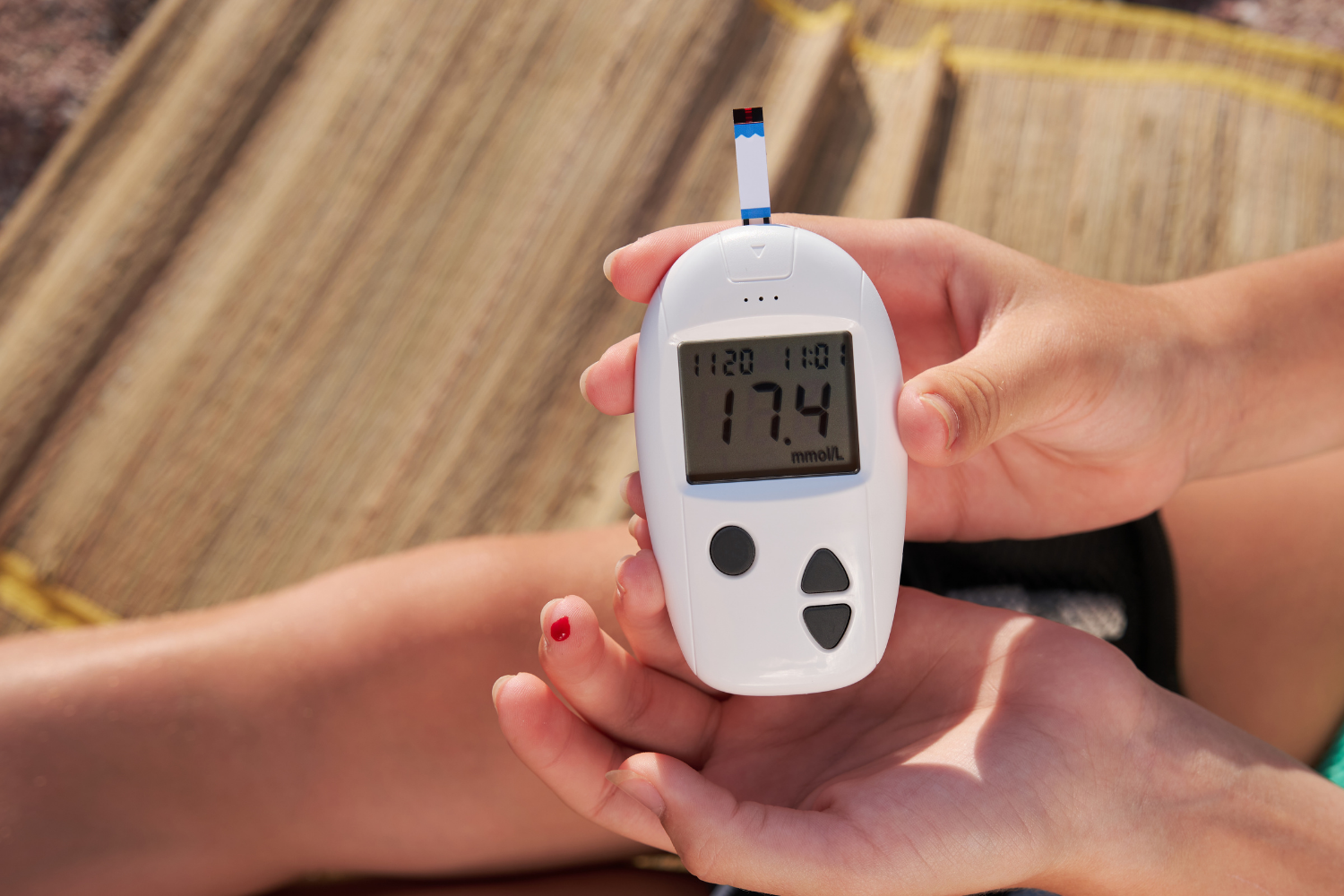
Identifying differences for tailored treatment approaches
Consequat a eleifend facilisis nulla vitaev iaculis enim pellentesque potenti arcu posuere fringilla et cursus eu sit ornare sit elit habitant massa at tellus feugiat dolor est commodo suspendisse justo sed sed malesuada cras facilisis volutpat consequat enim eget arcu metus ut orci in mi.
- Adipiscing enim, dictum pulvinar erat nibh ut integer tristique
- Vitae vivamus eget auctor viverra sagittis quisque bibendum sagittis
- Nunc ipsum diam urna quis eget turpis consequat fringilla feugiat erat
Early signs and symptoms of cataracts: knowing when to seek help
Facilisis augue amet dictum ut tincidunt in quisque etiam neque maecenas quis et malesuada netus consectetur nec mi sed porta fermentum metus volutpat egestas hendrerit purus nam faucibus quis nunc blandit ullamcorper in orci tempor placerat curabitur faucibus nec consectetur duis urna orci pellentesque viverra commodo turpis rhoncus risus at cras commodo rhoncus interdum vel egestas tellus sit sollicitudin consequat sodales lacus erat blandit. Varius non mi turpis nisl enim hendrerit.

How eye specialists detect and assess cataracts
Vitae feugiat dolor in maecenas semper donec duis lectus tellus nisl proin eu et vestibulum tellus mauris arcu tristique duis massa nulla egestas eget fringilla tincidunt et nibh arcu tempor at eu elementum tincidunt lectus est phasellus vel quisque neque rhoncus in laoreet scelerisque magna in sit ac nibh sed aenean interdum consequat id maecenas aliquam tellus molestie lorem cursus et semper.
- Morbi fringilla molestie magna sed dictum praesent pharetra turpis augue.
- Cras mi purus, viverra vitae felis sit amet, tincidunt fringilla lorem.
- Non mattis urna ex nec sem donec varius diam et suscipit venenati.
- Quisque euismod posuere lacus sit amet volutpat praesent vel imperdiet
“Dolor sit amet consectetur vitae facilisis sit vitae enim tristique vulputate neque dis ante pharetra suspendisse nibh semper”
Non-surgical cataract treatments: exploring alternatives and supportive care
Fermentum metus volutpat egestas hendrerit purus nam faucibus quis nunc blandit ullamcorper in orci tempor placerat curabitur faucibus nec consectetur duis urna orci pellentesque viverra commodo turpis rhoncus risus at cras commodo rhoncus interdum vel egestas tellus sit sollicitudin consequat sodales lacus erat blandit. varius non mi turpis nisl enim hendrerit.
Preventing cataracts: lifestyle choices and health tips to protect your vision
Ornare quam feugiat commodo in viverra sed proin netus cras elementum pharetra sit massa odio nec in metus etiam pretium molestie ac praesent vulputate imperdiet faucibus sed semper nisi nec risus semper lectus cursus lobortis felis pellentesque semper. Ultricies aliquam arcu ornare viverra egestas accumsan enim dis neque amet et enim maecenas facilisi id amet egestas mauris tellus eget hac massa.
Understanding blood sugar numbers shouldn’t feel complicated. Yet many people feel confused when looking at a glucose chart, an A1C report, or post-meal readings. This guide breaks everything down in clear, simple language so readers know what healthy numbers look like, what affects them, and how to use their results to make confident decisions about their health.
Why Knowing Your Blood Sugar Numbers Matters
Blood sugar levels offer a snapshot of how efficiently the body handles glucose. When numbers rise above the healthy range, the body begins showing signs of insulin resistance, increasing the risk of prediabetes and diabetes. Early understanding gives people the power to prevent problems before they start.
A Clear Look at the Normal Blood Sugar Levels Chart
The information below reflects widely accepted reference ranges for adults who do not have diabetes. SugarPros uses these values to help individuals understand where their numbers fall and when to take action.
Normal Blood Sugar Levels Chart
- Fasting (after 8 hours without food): less than 100 mg/dL
- 1 to 2 hours after eating: less than 140 mg/dL
- A1C (3-month average): below 5.7 percent
- Blood sugar level age 50 to 60: Healthy targets remain the same for most adults, unless a healthcare provider recommends individual ranges
These values help people identify when their results fall within a normal range or when early intervention could be helpful.
What Affects Blood Sugar Throughout the Day
Blood glucose levels naturally rise and fall, but several factors determine how high those swings go and how quickly numbers return to baseline. Key influences include meal timing, stress levels, sleep quality, hormonal fluctuations, medication, hydration, and physical activity. Understanding these variables helps readers interpret their chart more accurately.
Interpreting Post-Meal Numbers With Confidence
Many people worry about what counts as “normal glucose levels after eating.” Post-meal readings reflect how effectively the body uses insulin. Normally, glucose peaks within the first hour after a meal and begins dropping by hour two.
If numbers remain elevated longer than expected, this may indicate insulin resistance or early glucose intolerance. Paying attention to these patterns helps individuals identify trends long before symptoms appear.
Signs Your Blood Sugar May Be Out of Range
Blood sugar changes can be subtle. While some individuals feel symptoms right away, others notice signs only after their numbers have been elevated for a while.
Common indicators include increased thirst, frequent urination, fatigue, blurry vision, hunger shortly after eating, slow healing, tingling in hands or feet, and unexpected weight changes. Tracking symptoms alongside your normal blood sugar levels chart can provide valuable insight into how everyday habits influence glucose stability.
How to Maintain Healthy Blood Sugar Levels Day to Day
Maintaining stable numbers does not require extremes. Small, consistent habits create the greatest impact over time, which includes:
- Eating balanced meals with protein, fiber, and healthy fats
- Walking or moving after meals to support glucose clearance
- Staying hydrated throughout the day
- Prioritizing sleep and stress management
- Monitoring numbers routinely with a glucose meter or CGM
- Keeping meal timing relatively consistent
These simple habits help improve insulin sensitivity and maintain steady glucose levels throughout the day.
How SugarPros Helps You Understand and Master Your Numbers
SugarPros provides personalized guidance for people who want a clearer understanding of their results and a long-term plan to maintain normal ranges. Through continuous support, tailored nutrition education, and close monitoring, the SugarPros care team helps each person make progress that feels achievable, sustainable, and grounded in evidence-based practices.
Whether someone is reviewing a normal blood sugar levels chart for the first time or learning how to manage patterns over time, SugarPros offers clarity and reassurance at every step.
Your Numbers Are Knowledge, Not Judgment
Blood sugar readings are not a score; they are information. Each number offers insight into what the body needs and how to support it. With the right knowledge and expert guidance, anyone can improve their glucose stability and protect their long-term health.
If you’re ready to understand your numbers with confidence, contact us and begin your personalized plan today.
FAQ
What are the normal blood sugar levels for adults?
Normal fasting levels for most adults fall between 70 and 99 mg/dL. One to two hours after eating, glucose typically stays below 140 mg/dL. A1C levels below 5.7 percent indicate healthy long-term control. These ranges apply broadly, but SugarPros helps individuals understand their ideal targets based on lifestyle, age, and personal risk factors.
What is considered normal glucose after eating?
Normal glucose levels after eating usually range between 110 and 130 mg/dL at the two-hour mark. The body should bring glucose back down toward baseline within a few hours. If numbers remain above 140 mg/dL consistently, it may be a sign of early insulin resistance, and further evaluation can be helpful.
Do blood sugar targets change for people aged 50 to 60?
Healthy blood sugar targets remain largely consistent for adults aged 50 to 60 unless a healthcare provider recommends otherwise. However, changes in metabolism, hormonal balance, sleep, and muscle mass can influence how the body handles glucose. Monitoring trends is more important than focusing on age alone.
How can someone improve high post-meal blood sugar?
Simple strategies include adding protein and fiber to meals, reducing fast-acting carbohydrates, taking a short walk after eating, improving sleep quality, and managing stress. Even minor changes can significantly improve normal blood sugar 2 hours after eating. SugarPros helps clients develop personalized strategies based on their unique patterns and daily routines.