
Can Type 2 Diabetes Go Into Remission? The Science Explained
Identifying differences for tailored treatment approaches
Consequat a eleifend facilisis nulla vitaev iaculis enim pellentesque potenti arcu posuere fringilla et cursus eu sit ornare sit elit habitant massa at tellus feugiat dolor est commodo suspendisse justo sed sed malesuada cras facilisis volutpat consequat enim eget arcu metus ut orci in mi.
- Adipiscing enim, dictum pulvinar erat nibh ut integer tristique
- Vitae vivamus eget auctor viverra sagittis quisque bibendum sagittis
- Nunc ipsum diam urna quis eget turpis consequat fringilla feugiat erat
Early signs and symptoms of cataracts: knowing when to seek help
Facilisis augue amet dictum ut tincidunt in quisque etiam neque maecenas quis et malesuada netus consectetur nec mi sed porta fermentum metus volutpat egestas hendrerit purus nam faucibus quis nunc blandit ullamcorper in orci tempor placerat curabitur faucibus nec consectetur duis urna orci pellentesque viverra commodo turpis rhoncus risus at cras commodo rhoncus interdum vel egestas tellus sit sollicitudin consequat sodales lacus erat blandit. Varius non mi turpis nisl enim hendrerit.

How eye specialists detect and assess cataracts
Vitae feugiat dolor in maecenas semper donec duis lectus tellus nisl proin eu et vestibulum tellus mauris arcu tristique duis massa nulla egestas eget fringilla tincidunt et nibh arcu tempor at eu elementum tincidunt lectus est phasellus vel quisque neque rhoncus in laoreet scelerisque magna in sit ac nibh sed aenean interdum consequat id maecenas aliquam tellus molestie lorem cursus et semper.
- Morbi fringilla molestie magna sed dictum praesent pharetra turpis augue.
- Cras mi purus, viverra vitae felis sit amet, tincidunt fringilla lorem.
- Non mattis urna ex nec sem donec varius diam et suscipit venenati.
- Quisque euismod posuere lacus sit amet volutpat praesent vel imperdiet
“Dolor sit amet consectetur vitae facilisis sit vitae enim tristique vulputate neque dis ante pharetra suspendisse nibh semper”
Non-surgical cataract treatments: exploring alternatives and supportive care
Fermentum metus volutpat egestas hendrerit purus nam faucibus quis nunc blandit ullamcorper in orci tempor placerat curabitur faucibus nec consectetur duis urna orci pellentesque viverra commodo turpis rhoncus risus at cras commodo rhoncus interdum vel egestas tellus sit sollicitudin consequat sodales lacus erat blandit. varius non mi turpis nisl enim hendrerit.
Preventing cataracts: lifestyle choices and health tips to protect your vision
Ornare quam feugiat commodo in viverra sed proin netus cras elementum pharetra sit massa odio nec in metus etiam pretium molestie ac praesent vulputate imperdiet faucibus sed semper nisi nec risus semper lectus cursus lobortis felis pellentesque semper. Ultricies aliquam arcu ornare viverra egestas accumsan enim dis neque amet et enim maecenas facilisi id amet egestas mauris tellus eget hac massa.
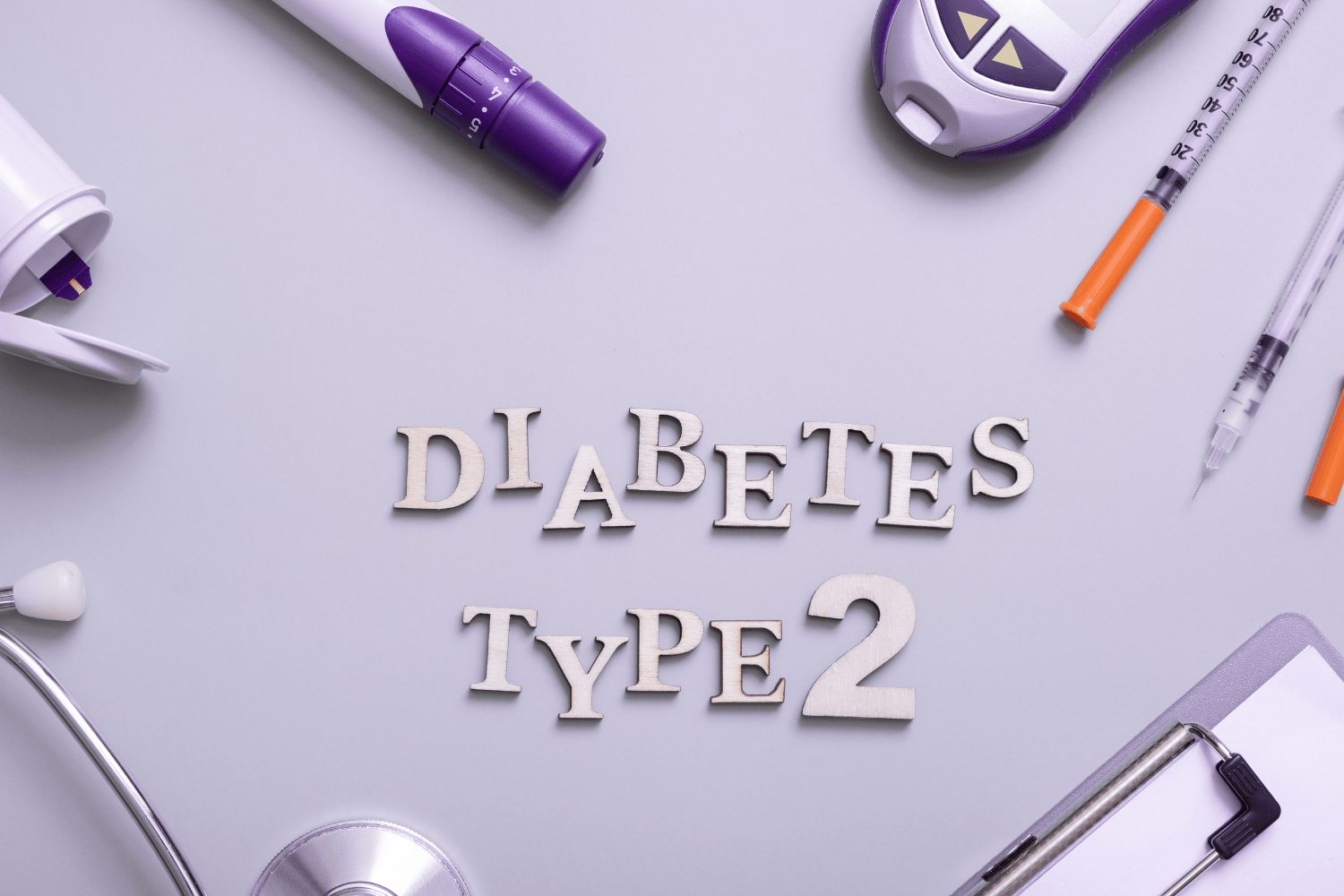
Type 2 diabetes has long been seen as a progressive condition, one that typically requires lifelong management through medications, diet, and lifestyle adjustments. Recent research, however, is challenging this perspective. Evidence now indicates that type 2 diabetes can enter remission, a state in which blood sugar levels are maintained in non-diabetic ranges without the need for medication.
It is important to understand that remission is not the same as a cure. A cure would indicate permanent elimination of the disease, which science cannot guarantee at this time. Remission, on the other hand, reflects improved metabolic function and sustained blood glucose control, offering patients a meaningful improvement in quality of life.
Globally, diabetes affects an estimated 589 million adults aged 20–79 as of 2025, with numbers projected to rise to 853 million by 2050 (IDF, 2025). This growing prevalence highlights the critical importance of early intervention, awareness, and sustainable lifestyle strategies that can help prevent complications and, for some individuals, support type 2 diabetes remission.
You might also be interested in How to Reverse Prediabetes Naturally and Prevent Type 2 Diabetes.
Remission vs. Cure: Understanding the Difference
In diabetes management, the distinction between remission and cure is crucial. According to Diabetes UK, remission is defined as maintaining blood glucose levels below diabetic thresholds for at least six months without medication. Remission is not permanent; relapse is possible if healthy habits are not maintained.
International experts have developed formal criteria for remission. These include A1C levels below 6.5%, fasting blood glucose within non-diabetic ranges, and the absence of diabetes medications over a sustained period. These benchmarks provide clear goals for patients and clinicians alike.
The importance of remission goes beyond numbers. Achieving it can reduce the risk of complications such as neuropathy, kidney disease, and cardiovascular events, decrease reliance on medications, and improve energy, sleep, and mental well-being. Understanding these benefits helps individuals approach diabetes management with realistic, yet empowering, expectations.
How Fat and Insulin Resistance Are Connected
Insulin resistance, a hallmark of type 2 diabetes, occurs when cells become less responsive to insulin, the hormone responsible for transporting glucose from the bloodstream into cells. Over time, glucose accumulates in the blood, leading to high fasting and postprandial levels.
Excess fat, particularly visceral fat surrounding the liver and pancreas, is a major contributor to insulin resistance. This fat interferes with insulin signaling and disrupts glucose metabolism. Research demonstrates that reducing liver and pancreatic fat can restore insulin sensitivity, improve beta-cell function, and support remission.
Even modest weight loss of 10–15% can yield substantial improvements in insulin sensitivity. Early intervention, before extensive beta-cell damage occurs, significantly increases the likelihood of achieving and sustaining remission. This understanding highlights the role of metabolic health as the foundation of diabetes reversal.
Nutrition Strategies That Support Blood Sugar Control
Nutrition plays a central role in achieving and maintaining remission. The goal is to stabilize blood sugar, improve insulin sensitivity, and reduce systemic inflammation. Evidence-based strategies focus on nutrient-dense foods, consistent meal timing, and portion moderation.
Key approaches include balancing macronutrients by emphasizing high-fiber carbohydrates, lean protein, and healthy fats. Low-glycemic foods prevent sharp glucose spikes while supporting long-term energy. Consistent meal timing helps stabilize blood sugar throughout the day, and portion control prevents overeating that can exacerbate insulin resistance.
Fiber-rich foods such as vegetables, legumes, and whole grains slow glucose absorption and contribute to gut health, which is closely tied to metabolic function. Adequate hydration and mindful eating practices, including slowing down meals and savoring bites, have been shown to further reduce postprandial blood sugar surges.
Practical nutrition strategies that support remission include:
- Emphasizing low-glycemic carbohydrates, lean protein, and healthy fats,
- Eating meals at consistent times each day to support metabolic rhythms,
- Including plenty of fiber-rich foods such as vegetables, legumes, and whole grains,
- Practicing mindful eating and maintaining adequate hydration.
These structured nutrition habits not only support blood sugar control but also make remission achievable in a sustainable, realistic way.
Exercise: Boosting Insulin Sensitivity
Physical activity is a powerful tool for stabilizing blood sugar and enhancing insulin function. Exercise increases glucose uptake by muscles independent of insulin, reduces visceral fat, and improves overall cardiovascular health.
Aerobic exercises, including walking, cycling, and swimming, enhance heart and lung function while lowering liver fat and fasting glucose levels. Resistance training builds lean muscle, which provides a larger reservoir for glucose storage and improves post-meal glucose handling. Incorporating brief post-meal walks, even 10–20 minutes, can reduce spikes after eating.
Beyond physiological benefits, regular exercise fosters behavioral discipline, reinforces other lifestyle habits, and contributes to long-term metabolic stability. By integrating both aerobic and resistance components, individuals maximize their chances of achieving and maintaining remission.
Supplements That Support Metabolic Health
Some evidence-based supplements may aid insulin sensitivity, though they should never replace core lifestyle interventions. Magnesium, for instance, supports insulin signaling, while omega-3 fatty acids reduce inflammation associated with metabolic dysfunction. Berberine has been shown in studies to lower fasting glucose and A1C, and inositol improves cellular insulin response.
While supplements can complement diet and exercise, they should be approached cautiously, under the guidance of a qualified clinician. Effective remission strategies rely primarily on nutrition, activity, weight management, and behavior change, with supplements serving as adjuncts rather than solutions on their own.
Monitoring and Tracking Progress
Monitoring blood sugar is a cornerstone of achieving and sustaining type 2 diabetes remission. Regular tracking helps individuals understand how lifestyle choices, medications (if any), and daily routines impact glucose levels. Continuous glucose monitoring (CGM) offers real-time feedback, showing how meals, activity, stress, and sleep influence blood sugar throughout the day. CGM data can reveal patterns that aren’t obvious from traditional fingerstick tests, such as subtle spikes after breakfast or prolonged elevation overnight.
Routine laboratory tests, including fasting glucose, postprandial glucose, and A1C, complement CGM by providing a longer-term picture of metabolic improvements. Keeping track of these values allows both patients and clinicians to adjust nutrition, exercise, and behavioral strategies on time.
Beyond numbers, monitoring also serves as an educational tool. Individuals learn which foods stabilize their glucose, which activities enhance insulin sensitivity, and how stress or inadequate sleep may trigger spikes. With structured monitoring, patients gain insight and agency over their health, reinforcing adherence to lifestyle changes that support remission.
How Long Does It Take to Achieve Remission?
The timeline for type 2 diabetes remission varies widely depending on disease duration, weight, metabolic health, and consistency with lifestyle interventions. Research and clinical experience suggest:
- Early-stage diabetes: Individuals diagnosed recently may experience measurable improvements in 3–6 months with structured nutrition and exercise programs.
- Moderate duration: Those with diabetes for several years often achieve remission within 6–12 months through consistent weight loss (10–15%), dietary management, and physical activity.
- Long-term maintenance: Sustained habits are crucial for lasting remission, as relapse can occur without ongoing lifestyle management.
Key takeaway: The sooner evidence-based interventions are implemented, the greater the likelihood of achieving stable, long-term remission (Kaiser Permanente).
Challenges in Achieving and Maintaining Remission
Achieving type 2 diabetes remission is possible, but it is not without obstacles. The degree of pancreatic beta-cell damage, duration of diabetes, and presence of other health conditions can influence how quickly and effectively someone can reach non-diabetic glucose levels. Individuals with long-standing diabetes may face more difficulty restoring insulin sensitivity fully, making consistent lifestyle adjustments even more critical.
Behavioral adherence presents another challenge. Maintaining a structured nutrition plan, regular exercise, and proper sleep schedules requires consistent effort and often a change in long-standing habits. Social and environmental factors can add complexity, such as limited access to healthy foods, demanding work schedules, or a lack of safe spaces for exercise. Stress, emotional eating, and mental health challenges can further undermine progress.
Even after reaching remission, relapse is possible if lifestyle modifications are relaxed. This makes ongoing support and accountability essential. Programs like those offered by SugarPros provide structured guidance, coaching, and monitoring to help individuals navigate these challenges, reinforcing sustainable habits and preventing backsliding. Understanding and anticipating these obstacles allows patients to implement proactive strategies, improving their chances of long-term success.
Maintaining Remission Over Time
Maintaining remission is not a static achievement; it requires a proactive, ongoing approach. Sustained metabolic health depends on integrating lifestyle strategies into daily routines permanently. Nutrition remains a central pillar, with consistent attention to portion control, balanced macronutrients, and low-glycemic foods. Exercise continues to play a crucial role, with both aerobic activity and resistance training helping preserve lean muscle, reduce visceral fat, and enhance insulin sensitivity.
In addition to diet and activity, behavioral factors such as stress management, quality sleep, and mindful living are vital. Chronic stress can elevate cortisol levels, which in turn may increase blood sugar, while inadequate sleep impairs glucose regulation and insulin sensitivity. Incorporating relaxation techniques, regular sleep schedules, and mental health support strengthens long-term outcomes.
Monitoring remains essential even after remission is achieved. Periodic A1C tests, fasting glucose, and CGM data ensure any trends toward higher blood sugar are detected early. Being aware of subtle changes allows for immediate adjustments before a relapse occurs.
Programs like SugarPros provide structured, personalized support that reinforces these habits over time. Coaching, real-time feedback, and tailored strategies help individuals stay accountable, maintain their improvements, and enjoy the benefits of remission with confidence. Maintaining remission is not about perfection; it is about consistency, informed decision-making, and long-term commitment to metabolic health.
SugarPros’ Approach to Remission
SugarPros takes a comprehensive, personalized approach to diabetes remission, emphasizing sustainable lifestyle changes supported by evidence-based strategies. Their programs combine nutrition guidance, exercise planning, and behavioral coaching to help individuals lower blood sugar, improve insulin sensitivity, and achieve measurable improvements in metabolic health. By tailoring each plan to the patient’s unique health profile, habits, and preferences, SugarPros ensures that interventions are practical, realistic, and designed for long-term success.
Monitoring and support are integral to the SugarPros model. Patients benefit from continuous glucose tracking, lab review, and regular virtual check-ins with their care team, which includes endocrinologists, dietitians, and wellness coaches. This data-driven approach enables timely adjustments to nutrition, activity, and other lifestyle factors, reinforcing positive habits while preventing setbacks. The integration of technology with expert guidance allows patients to understand their progress in real time and stay engaged in their care.
Beyond structured programs, SugarPros focuses on education and empowerment. Individuals are guided to understand how their body responds to food, movement, and stress, enabling them to make informed decisions that support remission. The combination of personalized planning, ongoing monitoring, and education ensures that patients not only achieve improvements in blood sugar but also maintain these gains over time, building confidence and control over their long-term health.
Take Control Today: A Path to Remission
Type 2 diabetes remission is within reach for many individuals. With early intervention, evidence-based nutrition and exercise, and professional support, patients can stabilize blood sugar, improve insulin sensitivity, and reduce reliance on medications.
For those ready to reclaim control over their health, SugarPros provides personalized programs, expert guidance, and ongoing support. Contact us to explore a personalized approach to metabolic health and lasting remission.
FAQ
Can type 2 diabetes really be reversed?
Yes, type 2 diabetes can go into remission, particularly when addressed early with structured lifestyle interventions. Remission means that blood sugar levels remain below diabetic thresholds without medication. Achieving it requires sustained dietary management, consistent physical activity, weight control, and regular monitoring.
How long does it take to reverse type 2 diabetes?
The timeline varies. Newly diagnosed individuals may see measurable improvements in 3–6 months, while those with moderate-duration diabetes may reach remission within 6–12 months through weight loss, regular exercise, and diet adherence. Long-term habits are essential to prevent relapse.
Is type 2 diabetes reversible for everyone?
Remission is less likely for individuals with long-standing diabetes or significant beta-cell damage. However, lifestyle interventions can still improve insulin sensitivity, lower blood sugar, and reduce complications even if complete remission is not achieved.
Can remission last indefinitely?
Remission can be maintained for years with consistent lifestyle practices, regular monitoring, balanced nutrition, stress management, and professional guidance. Relapse is possible if habits are not sustained, highlighting the importance of long-term support.