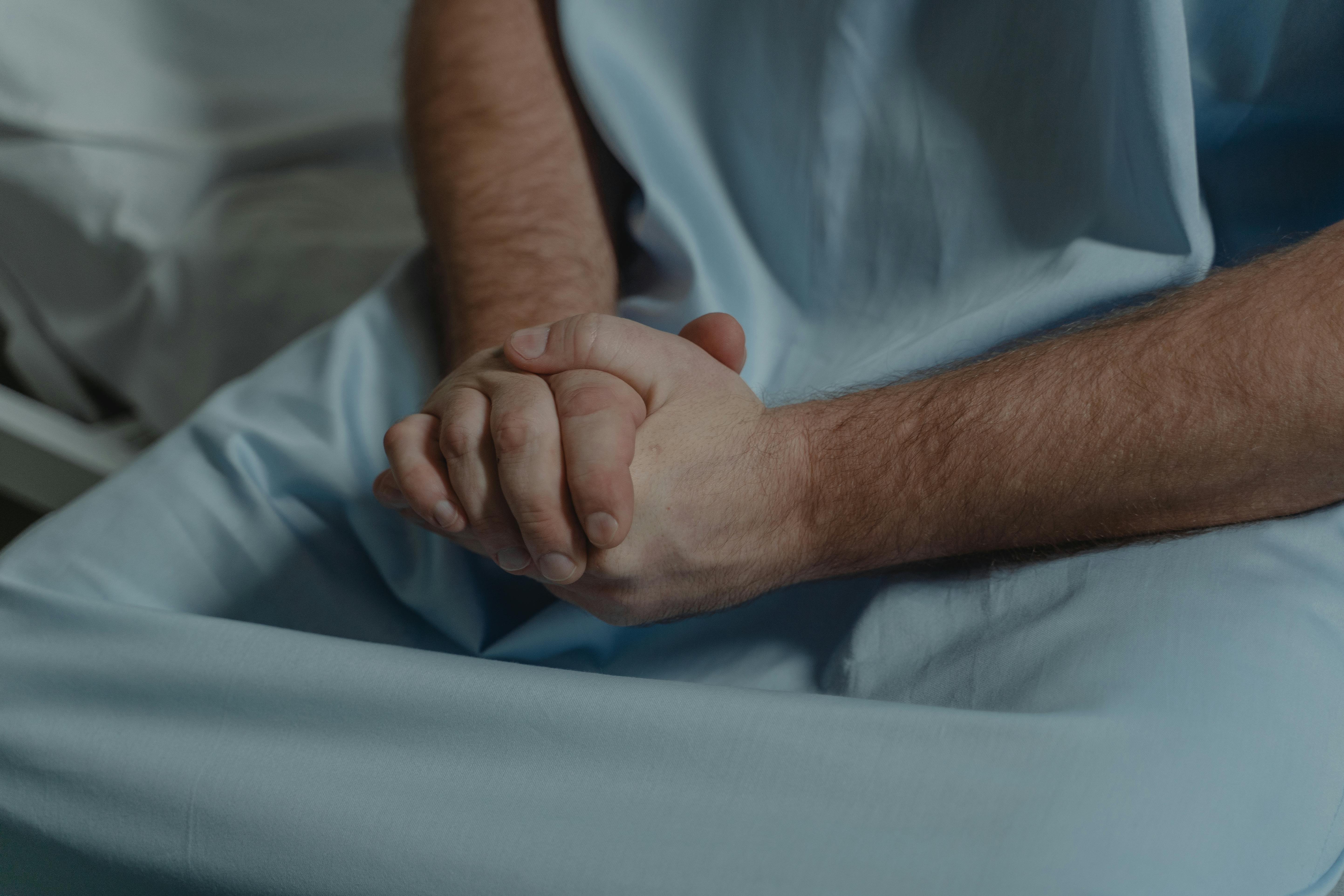
How to Reverse Prediabetes Naturally and Prevent Type 2 Diabetes

Identifying differences for tailored treatment approaches
Consequat a eleifend facilisis nulla vitaev iaculis enim pellentesque potenti arcu posuere fringilla et cursus eu sit ornare sit elit habitant massa at tellus feugiat dolor est commodo suspendisse justo sed sed malesuada cras facilisis volutpat consequat enim eget arcu metus ut orci in mi.
- Adipiscing enim, dictum pulvinar erat nibh ut integer tristique
- Vitae vivamus eget auctor viverra sagittis quisque bibendum sagittis
- Nunc ipsum diam urna quis eget turpis consequat fringilla feugiat erat
Early signs and symptoms of cataracts: knowing when to seek help
Facilisis augue amet dictum ut tincidunt in quisque etiam neque maecenas quis et malesuada netus consectetur nec mi sed porta fermentum metus volutpat egestas hendrerit purus nam faucibus quis nunc blandit ullamcorper in orci tempor placerat curabitur faucibus nec consectetur duis urna orci pellentesque viverra commodo turpis rhoncus risus at cras commodo rhoncus interdum vel egestas tellus sit sollicitudin consequat sodales lacus erat blandit. Varius non mi turpis nisl enim hendrerit.

How eye specialists detect and assess cataracts
Vitae feugiat dolor in maecenas semper donec duis lectus tellus nisl proin eu et vestibulum tellus mauris arcu tristique duis massa nulla egestas eget fringilla tincidunt et nibh arcu tempor at eu elementum tincidunt lectus est phasellus vel quisque neque rhoncus in laoreet scelerisque magna in sit ac nibh sed aenean interdum consequat id maecenas aliquam tellus molestie lorem cursus et semper.
- Morbi fringilla molestie magna sed dictum praesent pharetra turpis augue.
- Cras mi purus, viverra vitae felis sit amet, tincidunt fringilla lorem.
- Non mattis urna ex nec sem donec varius diam et suscipit venenati.
- Quisque euismod posuere lacus sit amet volutpat praesent vel imperdiet
“Dolor sit amet consectetur vitae facilisis sit vitae enim tristique vulputate neque dis ante pharetra suspendisse nibh semper”
Non-surgical cataract treatments: exploring alternatives and supportive care
Fermentum metus volutpat egestas hendrerit purus nam faucibus quis nunc blandit ullamcorper in orci tempor placerat curabitur faucibus nec consectetur duis urna orci pellentesque viverra commodo turpis rhoncus risus at cras commodo rhoncus interdum vel egestas tellus sit sollicitudin consequat sodales lacus erat blandit. varius non mi turpis nisl enim hendrerit.
Preventing cataracts: lifestyle choices and health tips to protect your vision
Ornare quam feugiat commodo in viverra sed proin netus cras elementum pharetra sit massa odio nec in metus etiam pretium molestie ac praesent vulputate imperdiet faucibus sed semper nisi nec risus semper lectus cursus lobortis felis pellentesque semper. Ultricies aliquam arcu ornare viverra egestas accumsan enim dis neque amet et enim maecenas facilisi id amet egestas mauris tellus eget hac massa.
Prediabetes is a warning sign, not a life sentence. The body is signaling that insulin resistance is developing, and glucose levels are rising, but there is still time to turn things around. With consistent daily habits, many people can lower A1C naturally, improve insulin sensitivity, and avoid the need for pre-diabetes medication. This guide explains exactly how lifestyle changes can reverse prediabetes naturally and protect long-term health.
What It Really Means to Have Prediabetes
Prediabetes occurs when blood sugar levels are higher than normal, but not yet high enough for a diabetes diagnosis. The most common cause is insulin resistance, where the body struggles to use insulin efficiently. Over time, this forces the pancreas to work harder, leading to elevated fasting glucose and rising A1C.
Understanding this process is the first step toward reversing it. When people ask, “Can prediabetes be reversed?” the answer is often yes. The body responds quickly to targeted changes in movement, nutrition, and daily routines, especially within the first 30 to 90 days of lifestyle adjustment.
How to Reverse Prediabetes Naturally in 30 Days
Reversing prediabetes is about creating consistent habits, not drastic diets or extreme routines. The following strategies are evidence-based and realistic for most people:
Key steps that create measurable progress within 30 days:
- Stabilize meals around protein, fiber, and healthy fats, which improves insulin response.
- Walk or move after meals to reduce glucose spikes naturally.
- Limit fast-acting carbohydrates such as sugary drinks, pastries, and refined snacks.
- Improve sleep quality, because even one night of poor sleep can raise insulin resistance.
- Track glucose daily to identify patterns and adjust habits easily.
- Stay hydrated to support glucose regulation.
- Keep meal timing consistent, which reduces stress on the pancreas.
These changes help the body become more insulin-sensitive in as little as 30 days, often lowering fasting glucose and improving energy levels.
Why Prediabetes Is Reversible for Many People
The human body is remarkably adaptable. When insulin resistance is detected early, the pancreas still has the ability to produce adequate insulin; the challenge lies in the body's ability to use it effectively.
Lifestyle-driven improvements can reduce the burden on the pancreas, meaning glucose enters the cells more efficiently and blood sugar stabilizes. This is why “can prediabetes be reversed?” is one of the most common and most hopeful questions people ask.
The answer is yes, especially when the right habits are applied consistently.
Nutrition Strategies That Support Reversal
Nutrition plays the biggest role in reversing prediabetes naturally. Small changes to food combinations and timing can create rapid improvements in glucose control.
Shifting toward whole foods, higher protein intake, fiber-rich vegetables, minimally processed carbohydrates, and balanced plates helps lower A1C naturally. Avoiding extreme diets is key; sustainable, satisfying meals keep blood sugar steady without creating feelings of restriction.
Pairing carbohydrates with protein and fat slows digestion and reduces spikes. Eating vegetables first, protein second, and carbohydrates last can also improve post-meal glucose response.
Movement: The Fastest Way to Improve Insulin Sensitivity
Muscle tissue is one of the body’s most powerful tools for reversing prediabetes. When muscles contract, whether through walking, strength training, or light activity, they absorb glucose from the bloodstream, lowering blood sugar without the need for extra insulin.
Even 10 to 15 minutes of movement after meals has been shown to reduce glucose spikes significantly. Over time, consistent activity rewires how the body uses glucose, making movement one of the most effective ways to lower it naturally.
The Role of Stress, Sleep, and Hormones in Prediabetes
Stress hormones like cortisol raise blood sugar, even without food. Chronic stress can lead to consistent elevations in fasting glucose, masking progress and making reversal harder.
Sleep plays an equally important role. Just one night of poor sleep reduces insulin sensitivity the next day. People with chronically disrupted sleep cycles often see improvements in A1C simply by improving rest.
Hormonal shifts, especially during perimenopause, menopause, or aging, can also alter how the body handles glucose. Recognizing these patterns helps individuals address root causes instead of blaming willpower.
When Lifestyle Comes Before Medication
Many people wonder whether they need pre-diabetes medication to reverse their condition. For many individuals, lifestyle changes alone can lead to remission, especially when prediabetes is caught early.
However, medication may be recommended when blood sugar is consistently rising, lifestyle changes alone are not enough, or other risk factors (family history, PCOS, obesity, hypertension) are present.
Medication doesn’t replace lifestyle; it complements it. SugarPros focuses on building strong habits first, using medication only when it adds meaningful benefit.
Sustainable Habits That Maintain Long-Term Progress
Prediabetes reversal is not just about short-term changes; it’s about creating routines that protect long-term health.
Habits that support continued improvement:
- Planning balanced meals for the week
- Maintaining a consistent movement routine
- Incorporating stress-relieving practices like breathing or stretching
- Keeping regular sleep and wake times
- Checking glucose trends instead of isolated numbers
- Staying connected with a care team for accountability
These practices reinforce daily stability and prevent relapse into insulin resistance.
How SugarPros Guides Each Person Through Prediabetes Reversal
Reversing prediabetes naturally requires clarity, accountability, and personalized adjustments. SugarPros provides continuous guidance, reviewing glucose data, identifying patterns, and recommending small, achievable changes that fit real life.
Instead of overwhelming meal plans, extreme dieting, or generic advice, SugarPros focuses on:
- Practical nutrition tailored to daily routines
- Activity plans that reduce glucose spikes
- Stress and sleep strategies that improve insulin sensitivity
- Weekly progress check-ins
- Adjustments based on data, not guesswork
This approach makes prediabetes reversal feel manageable instead of intimidating.
Your Body Is Capable of Change
Prediabetes does not define a person’s future. With steady steps and the right support, the body can regain balance, improve insulin sensitivity, and return glucose to healthy levels. Progress is not about perfection; it’s about consistent choices that strengthen the body day after day.
If you’re ready to reverse prediabetes with clarity, support, and a team that walks with you every step of the way, SugarPros is ready. Reach out today and start moving toward the energy, control, and long-term health you deserve.
FAQs
Can prediabetes be reversed naturally?
Yes. Prediabetes is often reversible through lifestyle changes that target insulin resistance. Improvements in nutrition, movement, stress management, and sleep can lower fasting glucose and A1C without relying on pre diabetes medication. Many people see measurable progress within the first 30 to 90 days when following a consistent routine.
How to reverse prediabetes naturally in 30 days?
Reversal in 30 days focuses on stabilizing meals, increasing protein and fiber, walking after meals, reducing refined carbohydrates, improving sleep, and tracking glucose patterns. While full remission may take longer, these steps can significantly lower glucose spikes and improve insulin sensitivity within the first month.
Is medication necessary for prediabetes?
Medication is not always required. Many individuals improve their numbers through lifestyle alone. However, healthcare providers may recommend medication when glucose continues rising despite lifestyle efforts or when risk factors like family history, PCOS, or high A1C are present.
What is the best way to lower A1C naturally?
Lowering A1C naturally involves managing glucose throughout the day. Strategies include walking after meals, improving food combinations, maintaining consistent meal timing, improving sleep, reducing stress, and building more muscle through regular activity. Long-term consistency has a bigger impact than short-term restrictions.